
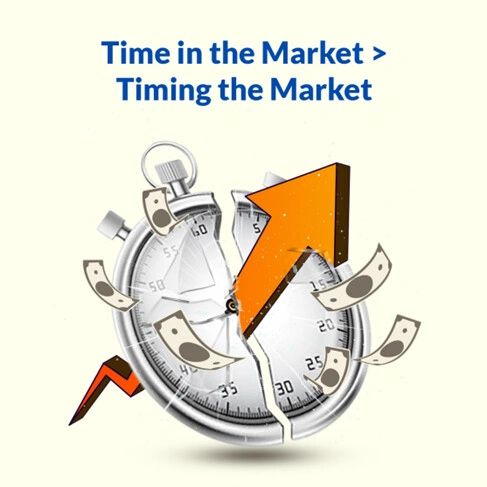
Timing the Market vs. Time in the Market: Why One Destroys Wealth
📈 Wealth isn’t built by guessing the market’s next move—it’s built by staying invested. Over long periods, time in the market has historically beaten attempts to time it.
When it comes to investing, few debates stir up as much confusion—and as many costly mistakes—as the question of whether it’s better to time the market or to simply spend time in the market.
It sounds tempting, doesn’t it? Jump out before the next drop, get back in before the next rally, and pocket the gains while sidestepping the pain. But this strategy, alluring as it may seem, can do more lasting damage than the bear markets themselves.
Let’s unpack why.
The Illusion of Timing the Market
Market timers believe they can predict short-term moves. The problem? No one can do this consistently. Not hedge funds, not Wall Street analysts, and not your neighbor who “called” the last recession.
History is filled with failed attempts to dodge downturns. Here’s the reality:
- Historically, the stock market has fallen by about a third roughly once every five years.
- Recoveries have often been sharp and fast.
- Missing even the first weeks after a market bottom can meaningfully reduce long-term returns.
The greatest danger isn’t the decline itself—it’s being stuck on the sidelines when the rebound comes. That’s how short-term fear turns into long-term regret.
The Power of Time in the Market
Now contrast that with simply staying invested.
For over a century, mainstream U.S. equities have compounded wealth at about 10% annually. Dividends, the cash payments from ownership, have historically grown faster than inflation over long periods.
Time in the market does the heavy lifting. Compounding works only if you let it. And every day spent waiting for the “perfect entry point” is a day lost forever.
Why Behavior Matters More Than Markets
The market will always do what it does—rise, fall, rise again. The variable isn’t the market; it’s us.
- We panic at declines.
- We chase hot trends.
- We confuse volatility with risk.
The truth is this: volatility is not the enemy—it’s the toll we pay for long-term wealth. Inflation is the real risk, and equities have historically been one of the most effective ways to keep pace with it.
But knowing this and acting on it are two very different things. This is where an advisor makes the difference.
The Role of a Behavioral Advisor
At NW Advisory, we don’t see our role as predicting markets. We see our role as protecting you from yourself.
Our philosophy is built on three core commitments:
- Long-term ownership over short-term speculation. We focus on quality businesses, not short-lived fads.
- Behavioral coaching in the moments that matter most. When markets tumble, our job is to keep you from making the mistake you’ll regret later.
- Planning across generations. Wealth isn’t just about you; it’s about creating a financial legacy your children and grandchildren can depend on.
In other words: we don’t just manage money—we manage behavior. Because behavior, not markets, is what ultimately determines wealth outcomes.
Final Thought
Trying to time the market is speculation.
Spending time in the market is ownership.
One leads to anxiety, mistakes, and regret. The other has historically given patient owners their best chance at rising income, preserved purchasing power, and multigenerational wealth.
And the key to staying the course when emotions run high? Working with a behavioral financial advisor like NW Advisory—an advocate who helps you make better decisions, not just with your money, but with your future.
Index figures are shown for illustration only. They assume dividends are reinvested and do not reflect fees, expenses or taxes, which would reduce returns. It is not possible to invest directly in an index. Past performance does not guarantee future results.